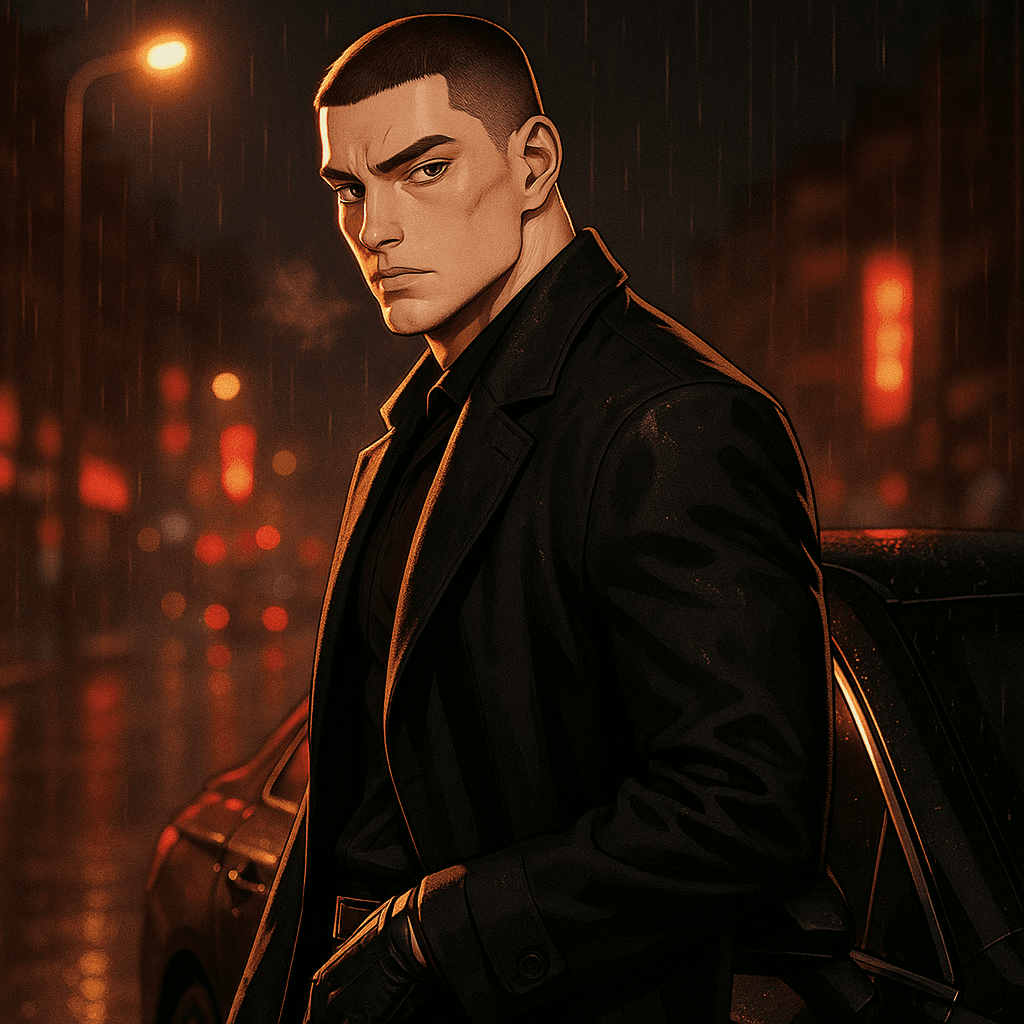
Dark romance is the genre everyone has an opinion about and surprisingly few people can define. It outsearches nearly everything else in romance - we measured, it's not close - and it's also the genre most likely to be described completely wrong by people who don't read it. So here's the honest version: what dark romance actually means, what separates it from the things it gets accused of being, and why its readers tend to be the most clear-eyed people in the room about the line between fiction and life.
What does dark romance mean?
Dark romance is a romance subgenre where danger, moral transgression, or power imbalance isn't a bug in the love story - it's the engine of it. The love interest is often a genuinely bad man by daylight rules: a mafia don, a stalker, a captor, a killer. The heroine's path to love runs through fear, and the genre's whole electricity comes from the collision of the two.
Two things keep it romance rather than horror. First, the "dark" points at circumstances and the hero's relationship to the world - not at the story's attitude toward the heroine; the arc still bends toward devotion. Second, it keeps romance's one non-negotiable: an emotionally satisfying ending. The road there is what gets dark.
What dark romance is not
This is the part the discourse always mangles, so, plainly:
- It's not abuse apologia. Fiction about a dangerous man is not an endorsement of dangerous men, any more than a murder mystery endorses murder. The genre runs on the same one-way line between fiction and reality as every dark archetype: readable on the page, alarming off it - and readers know which side they're standing on.
- It's not a trick played on readers. Dark romance is the most aggressively labeled genre in fiction. Content warnings, trope lists in the blurb, reader-made spreadsheets - nobody wanders into these books by accident. The informed consent happens before page one, which is precisely what makes what's on the pages safe to enjoy.
- It's not automatically explicit. Heat level and darkness are separate dials (the smut and spice glossary covers that one). Most dark romance runs hot, but the darkness lives in the premise, not the door.
The tropes that define it
The canon runs on a recognizable set: captor and captive, enemies whose hate curdles into want, the mafia heir with a ledger of sins, the stalker whose obsession is the plot, touch her and die possession, the morally unsalvageable man saved by exactly one person. We keep a full dark romance tropes breakdown with examples, and the dark romance hub collects the characters built on them. On the shelf, BookTok's modern canon starts with Haunting Adeline and runs through the best dark romance books list - and the reader-built Goodreads dark romance shelf shows just how deep the genre runs.
Why readers love it
- Safe danger. The reader holds a dial the heroine doesn't: the cover closes. Dark romance delivers the adrenaline of the worst-case scenario with an exit that's always within reach, which is the same deal a rollercoaster offers.
- Devotion with proof. When the most dangerous man in the story reorganizes his violence around one person's safety, the devotion carries evidence. It's the being-chosen fantasy at maximum contrast.
- Feeling everything at once. Fear sharpens every other emotion on the page. Readers describe dark romance as the genre that makes them feel the most - the intensity is the product.
- Processing in armor. For many readers, the genre is a controlled space to stand near frightening things - power, fear, loss of control - with full authorship over the encounter. On the page, you always outrank the danger.
Dark romance vs. its neighbors
- Morally grey: the hero bends rules and motives blur - but the story itself isn't built on transgression. Every dark romance hero is morally grey; most morally grey heroes are not dark romance.
- Dark fantasy romance: darkness wearing a crown - courts, curses, monsters. The stakes are fantastical; dark romance proper tends to keep its danger human-sized.
- Yandere: the anime vocabulary for one specific dark-romance engine - love as the danger itself.
- Mafia romance: the crime-family branch, where the transgression is structural - arranged marriages, debts, loyalty as a cage. Cora Reilly's Born in Blood is the founding text, and its reading order is where most new readers start.
The closed-door version of dangerous
Here's Swoony's honest position in all this: we run the tension end of the genre. Closed-door on purpose - the menace, the possession, the one-exception devotion, held right at the line instead of past it. If dark romance's appeal for you is the charge rather than the explicit page, that's exactly the dial we max: start with the don's right hand, who handles things you don't ask about, or the roommate you caught at 3 a.m. with blood at the corner of his mouth. Dangerous everywhere except with you - that's the whole genre in one sentence.
The short version
- Dark romance = romance where danger and transgression power the love story - and the ending still lands soft
- Not abuse apologia: the most clearly labeled genre in fiction, read by people who know exactly where the line is
- Darkness ≠ heat: separate dials; the dark lives in the premise, not necessarily the door
- The appeal is safe danger: worst-case adrenaline, an exit always in hand, and devotion proven at maximum contrast